
Contact Dermatitis
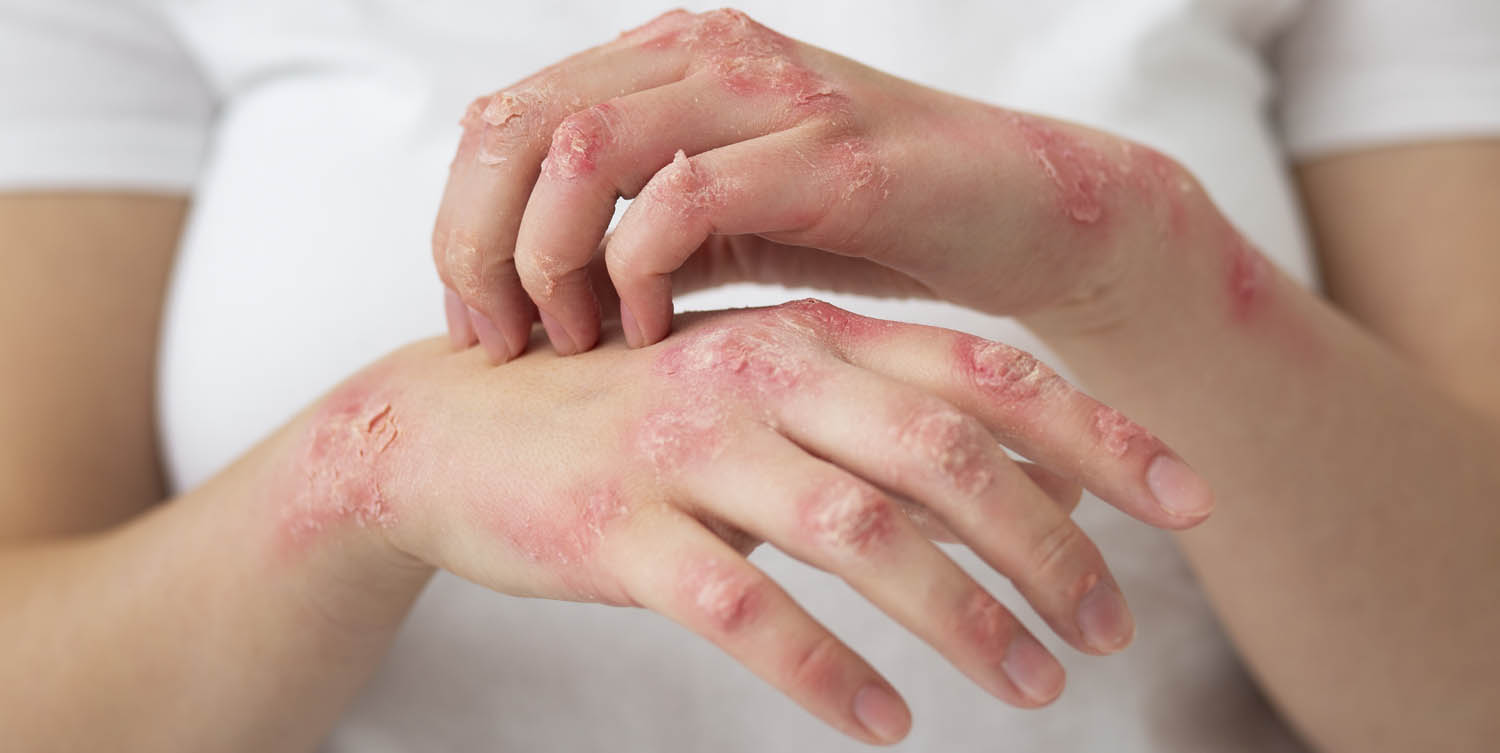
Contact Dermatitis Treatment Centre in Kolkata
About Contact Dermatitis
Types of Contact Dermatitis
Treatment at Our Centre
Contact Dermatitis Treatment Cost
Identifying Triggers for Contact Dermatitis
One of the most important steps in treating contact dermatitis is identifying and avoiding the substances that trigger skin reactions. Common irritants include soaps, detergents, cosmetics, metals such as nickel, fragrances, chemicals, and certain plants. Allergy testing can help determine the exact cause of recurrent symptoms, allowing patients to make informed lifestyle changes and prevent future flare-ups. Early identification of triggers is essential for effective long-term management.
Effective Treatment and Preventive Care
Successful treatment of contact dermatitis focuses on reducing inflammation, relieving itching, and restoring the skin’s natural barrier. Along with prescribed medications, patients are advised to maintain proper skin hydration and use gentle, hypoallergenic skincare products. Dr. Kallol Paul provides personalized treatment plans based on the severity of symptoms and individual exposure patterns. With appropriate medical care and preventive measures, most patients can achieve significant relief and minimize the risk of recurring skin problems.
EXCELLENTTrustindex verifies that the original source of the review is Google. I am from Katihar, Bihar.My son had sneezing,runny nose, cough , short ness of breath., he was diagnosed as asthma, allergic rhinitis and atopic dermatitis.but after treatment from Dr Kallol Paul he is absolutely fine. Thanks you.Posted on GoogleTrustindex verifies that the original source of the review is Google. Nice tretment my baby gril anamta ulfatPosted on GoogleTrustindex verifies that the original source of the review is Google. Very good doctor.Posted on GoogleTrustindex verifies that the original source of the review is Google. Dr Kallol is very skilled and knowledgeable doctor. He has an acumen for accurate diagnoses of your health problem , use cutting edge technology at his onestop clinic. I was asthmatic since childhood and was suffering from severe breathlessness recently. After following his prescription my symptoms were alleviated almost immediately and I could get back to normal day to day activities and even start exercising. Im extremely grateful and would recommend him to anyone suffering from allergies.Verified by TrustindexTrustindex verified badge is the Universal Symbol of Trust. Only the greatest companies can get the verified badge who has a review score above 4.5, based on customer reviews over the past 12 months. Read more
Frequently Asked Questions (FAQ)
Contact dermatitis is a skin condition that occurs when the skin comes into contact with an irritant or allergen, causing redness, itching, inflammation, and rashes. It can be either allergic contact dermatitis or irritant contact dermatitis.
Common triggers include soaps, detergents, cosmetics, perfumes, metals such as nickel, latex, cleaning products, hair dyes, plants like poison ivy, and certain medications.
Symptoms may include redness, itching, burning sensations, dry or cracked skin, swelling, blisters, and rashes that appear on areas exposed to the triggering substance.
Doctors diagnose contact dermatitis through a detailed medical history, physical examination, and, when required, patch testing to identify the specific allergen or irritant responsible for the reaction.
Treatment typically includes avoiding the trigger, using moisturizers, antihistamines, topical corticosteroids, and other medications depending on the severity of the condition.
Yes. The best prevention strategy is to identify and avoid the offending allergen or irritant, use gentle skin-care products, wear protective gloves when necessary, and keep the skin well moisturized.
You should seek medical attention if your rash is severe, recurrent, spreading, interfering with sleep or daily activities, showing signs of infection, or not improving with home remedies. Early treatment helps prevent complications and recurring flare-ups.
